 Mariam Shaker··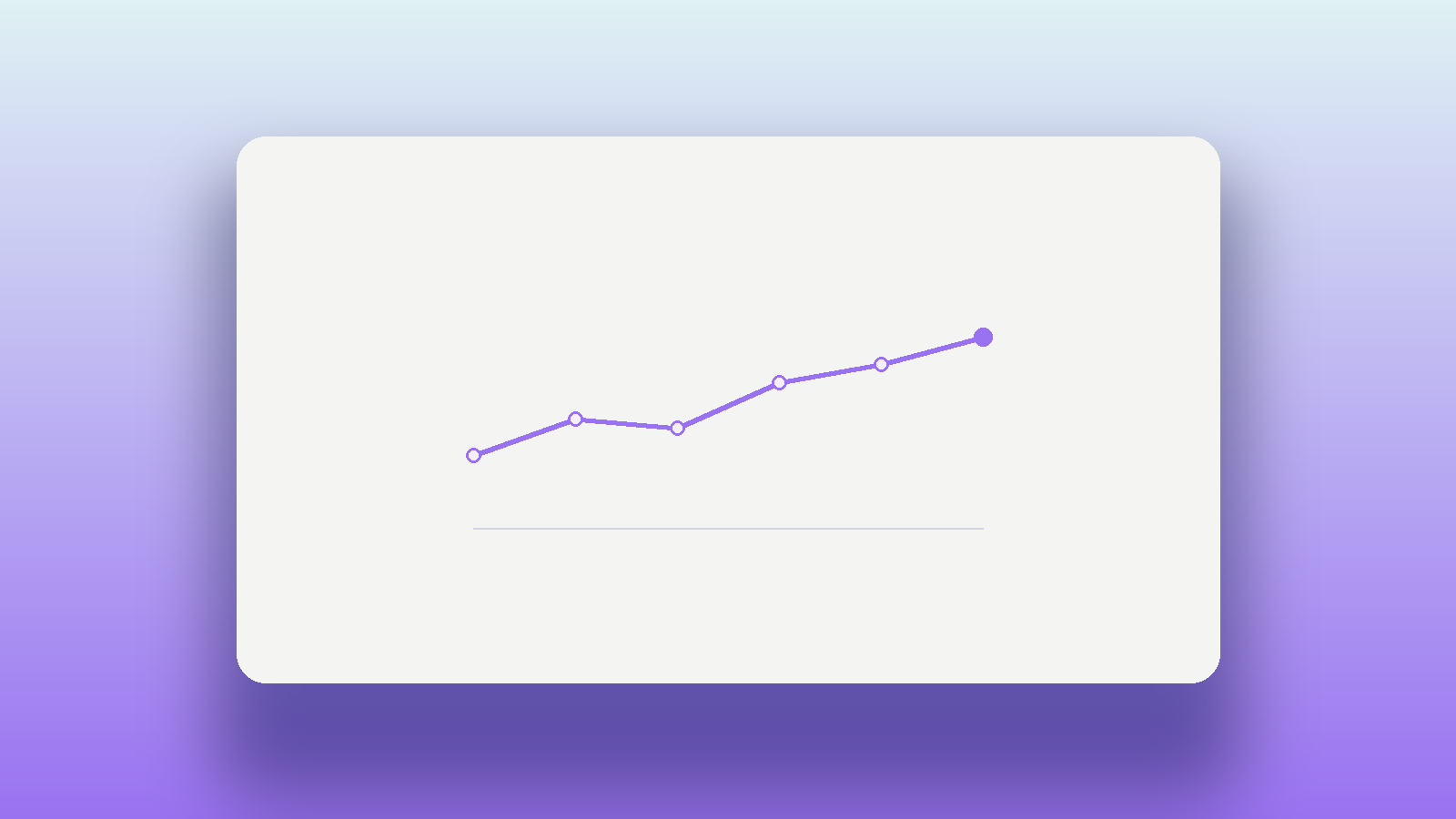
Short answer: it replaces a client's memory of the week with an actual pattern. Most of what a clinician learns about the days between sessions comes from the client reconstructing it from memory, "I think I slept badly," "this week felt harder," and that reconstruction is subject to recall bias and mood-congruent memory: a client in a low mood tends to remember the week as worse than the data would show, and a client doing better tends to smooth over the rough days. Continuous wearable data does not have that problem. It is the same record whether the client remembers the week accurately or not.
This draws on Oasys's own build: wearable and health-app data connects directly into the client record between sessions, not only during them, so what accumulates is a continuous pattern a clinician can review, not a single day's snapshot pulled up live. That continuity is the whole mechanism Oasys is built around here, not a side effect of storing wearable data at all.
Why between-session data is a different thing from in-session review
Pulling up a client's data live in a session answers a different question than tracking it between sessions. In-session review explains a specific moment: why does this week feel different. Between-session tracking answers a longer question: is the pattern actually moving, session over session, regardless of what any single week felt like from the inside.
That distinction matters clinically. A client can report feeling "about the same" for six weeks while an underlying sleep or activity pattern is genuinely trending in one direction, because week-to-week self-report is bad at detecting slow, real change. Continuous data catches drift that a memory-based check-in structurally cannot. Oasys is built around that specific gap: data accumulating in the record between visits, not just what gets pulled up during one.
What continuous tracking actually looks like
For depression, a sleep pattern that is trending toward more consistent, longer sleep over several weeks is a real signal, independent of what the client says at the next appointment. For anxiety, resting heart rate and activity-level trends can show whether physiological arousal is actually settling over the course of treatment. For behavioral activation specifically, an activity trend is close to a direct measure of the intervention working: more movement, more consistently, is the goal made visible.
None of this replaces clinical judgment. It gives clinical judgment something more stable to check itself against than a client's memory of a hard week. Oasys surfaces these patterns from the same wearable connections (Apple Watch, Oura Ring, Strava, Flo) that feed the record continuously, not from a one-time sync a clinician has to remember to trigger.
How the data actually reaches the clinician between sessions
The mechanism that makes this useful is continuity, not access. Oasys connects wearable data (from Apple Watch, Oura Ring, Strava, and Flo) directly into the client record on an ongoing basis, so a clinician preparing for the next session sees the interim pattern rather than starting from whatever the client happens to volunteer. Other platforms may be built differently, and where wearable data is not connected at all, or only accessible through a manual export, the between-session pattern is effectively invisible until someone goes looking for it.
What this does not replace
The honest limit: continuous data shows a pattern, not a reason. A trending sleep pattern tells a clinician something changed; it does not say why, and the client's own account of what changed is still the clinical work. Treat this as a way to notice drift earlier and ask better questions at the next session, not as a substitute for what the client says about their own experience. Oasys does not interpret the pattern for a clinician or suggest a diagnosis from it; it just keeps the pattern visible in the record where the clinical work already happens.
What to ask before you commit to a platform
Does wearable data accumulate in the record continuously, or only appear when pulled up live in a session?
Can a clinician review a pattern across several weeks, or only a single day's data at a time?
Which devices actually connect, and do they match what your clients already use?
Does the platform frame this as replacing self-report or supplementing it? The honest answer is always supplementing.
Oasys answers the first two by design: connection is continuous, not session-triggered, and the record holds the full pattern rather than a single pull.
How Oasys handles it
Oasys connects wearable data from Apple Watch, Oura Ring, Strava, and Flo directly into the client record on an ongoing basis, so what accumulates between sessions is a real pattern a clinician can review before the next appointment, not a single snapshot pulled up on demand.
Frequently asked questions
- Can wearable data show whether a client is actually improving between sessions?
It can show whether an underlying pattern, like sleep or activity, is trending in a given direction, which is a real signal independent of how the client remembers the week. It does not replace the client's own account of what changed, but it gives a clinician something more stable to check that account against.
- Why is between-session tracking different from reviewing wearable data live in a session?
In-session review explains a specific moment. Between-session tracking answers a slower question: whether a pattern is actually moving over several weeks, which week-to-week self-report is often bad at detecting because of recall bias and mood-congruent memory.
- Does wearable data replace what a client reports about their own experience?
No, and it should not be treated that way. It supplements self-report by showing a pattern the client may not have noticed or accurately remembered, not by substituting for the clinical conversation about what that pattern means.
- What conditions is between-session wearable tracking most useful for?
Sleep trends are commonly relevant for depression, activity trends for behavioral activation, and heart rate or activity patterns for anxiety, though the data is a signal to explore clinically, not a diagnosis on its own.
- Does this data update automatically, or does a client have to report it manually?
On Oasys, wearable data connects and accumulates automatically rather than depending on the client to remember and report it, which is what makes the between-session pattern reliable rather than dependent on memory.
Related articles
Which Behavioral Health EHRs Integrate With Wearables?
Ask most behavioral health EHRs whether they integrate with wearables and the honest answer is no. Here is what real integration looks like where it exists.

Does Your EHR Track Supervision Hours Toward Licensure?
No. Your EHR almost certainly does not accumulate supervision hours toward a licensing board, and Oasys does not either.

HIPAA Compliant Therapy Platform: What to Actually Verify (2026)
"HIPAA compliant" is not a certification a vendor earns once. It is a signed BAA plus specific, checkable safeguards. Here is what to actually verify before you sign.